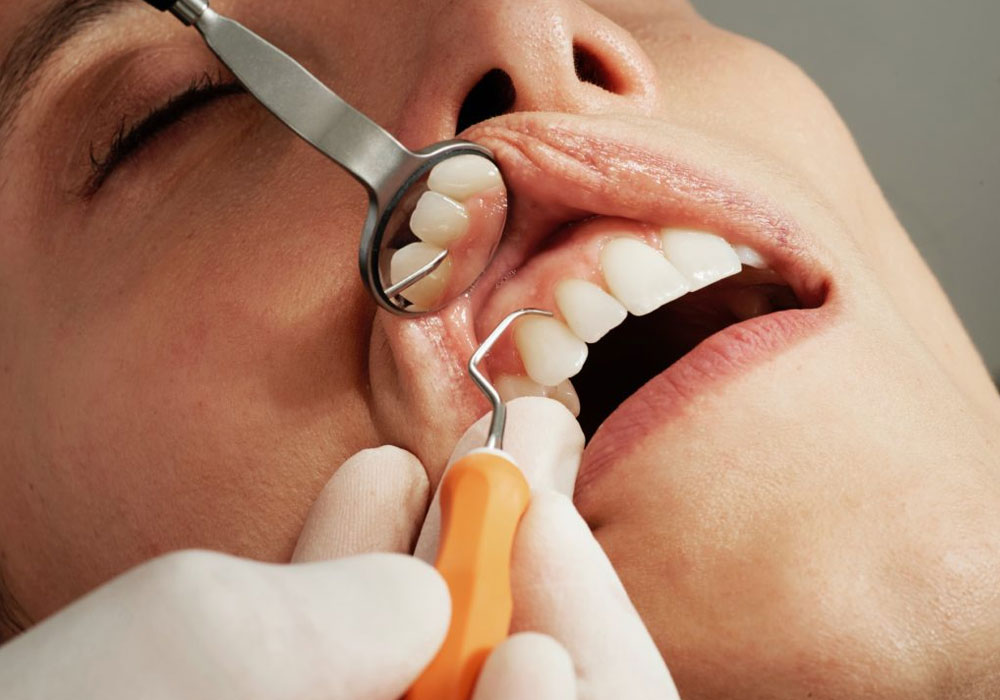


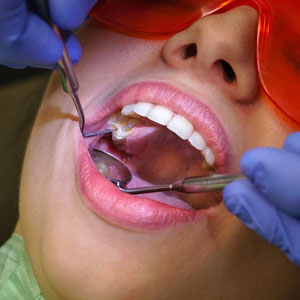
Periodontics - Gum Treatments in Bedfordshire
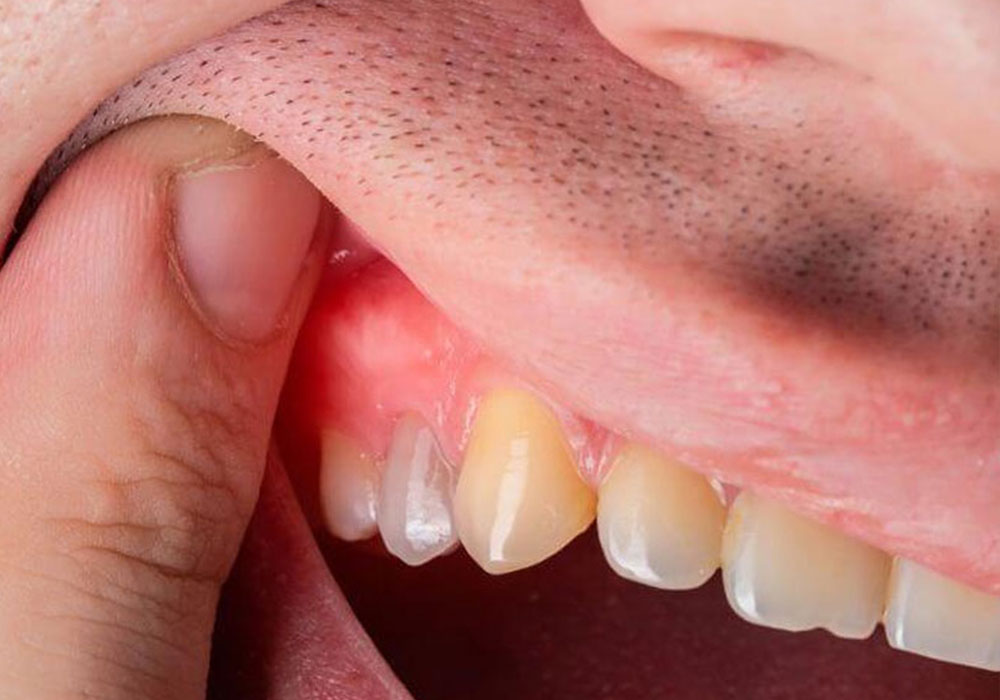
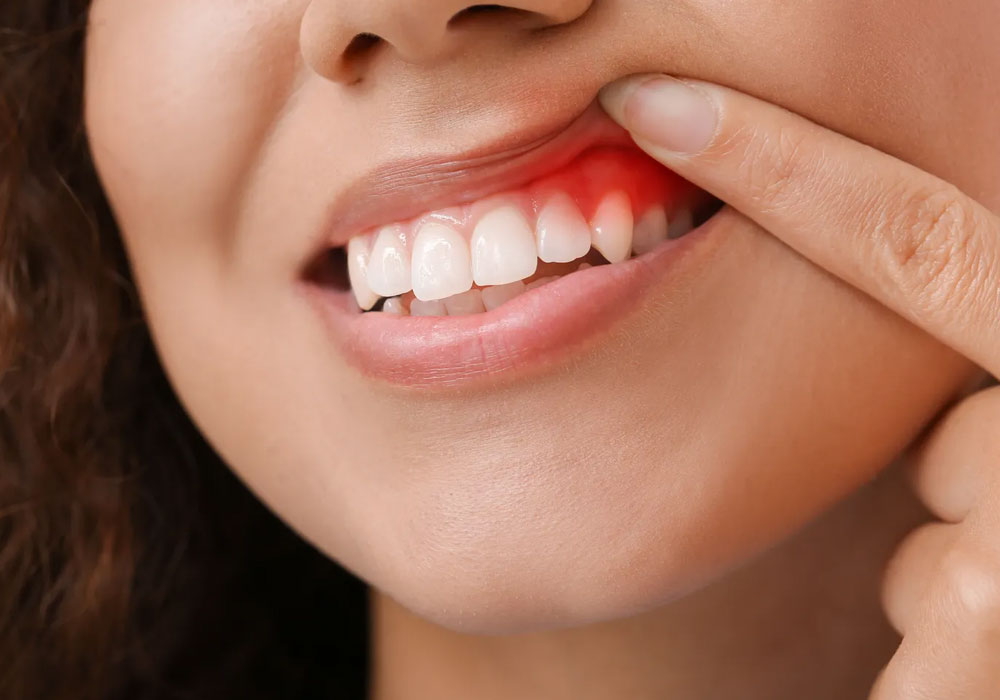
Periodontal disease is inflammation and infection of your gums and the bone that supports your teeth. It can be a result of poor hygiene, but some people are more prone to this type of infection. Symptoms may include bad breath, loose teeth and bleeding, swollen gums. There are many treatments available, depending on the severity of disease.
- Redness, swelling and tendency of the gums for bleeding
- Bad breath
- Gum retraction/recession
- Tooth mobility
- Tooth migration
An award-winning team of professionals and specialists
Carefully-curated treatment based on your individual needs
Flexible payments and dental membership plans
Trained to ease your dental anxieties, ensuring a stress-free visit
Periodontics Near Me
Effective Treatment for Gum Disease
Gum disease (periodontitis) is a serious infection that affects the tissues that surround the teeth, and more importantly the bone that supports the teeth.
Periodontal treatment methods depend on the type and severity of the disease. Gum disease usually progresses slowly and painlessly, meaning it can take years for sufferers to realise there is a problem. However, the treatment is easier and less invasive when the disease is caught early.
What Are The Risks Associated With Gum Disease?
Gum disease progresses in stages and will start with inflammation and redness around your gums and may progress to the loss of teeth or the deterioration of your jawbone. Symptoms of gum disease include:
- Swollen, red, or bleeding gums
- Receding gums
- Halitosis (bad breath)
- An unpleasant taste in your mouth
- Periodontal pockets (where your gums pull away from your teeth)
- Inflammation around dental implants
- Increased gum size
- Loose teeth
- Bone loss in your jaw
Early Action Can Prevent Serious Gum Issues
If gum disease is not treated it can develop and cause more serious problems. The gum can start to come away from the tooth which creates holes or ‘pockets’ around the teeth. This means that even more bacteria has space to grow and do more damage to the gums.
In time the plaque will eat away the bone which supports the tooth. This leaves the tooth loose and it may then need to be extracted.
If periodontal disease is left untreated it may lead to tooth loss. Periodontitis is thought to account for up to 30-35% of all tooth extractions, which eventually result in resorption of the bone that used to support the tooth. This may cause difficulties stabilising dentures or placing implants in the long run. Since periodontitis is painless, contrary to dental caries, most patients simply ignore the fact that they have the disease, until it is too late.
Meet The Dentist
Dr Nader Fallah
Special Interest In Periodontics
Dr. Nader Fallah is our in-house Periodontist with over 20 years of specialist experience in treating gum disease and complex periodontal cases. A valued team member for over three years, he accepts both clinician and self-referrals. Outside of work, he’s family-focused and a talented cook.
Periodontal Treatment Procedure
1

Diagnosis & Assessment
A dentist or periodontist examines your gums for signs of disease (swelling, bleeding, pocket depth, etc.).
2

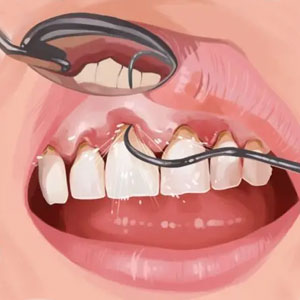
Scaling & Root Planing
Removal of plaque and tartar from above and below the gumline. Root surfaces are smoothed to help gums reattach to teeth.

3

Medication or Antibacterial
Antiseptic mouthwash, antibiotics, or localized antimicrobial treatments may be used to control infection.
4

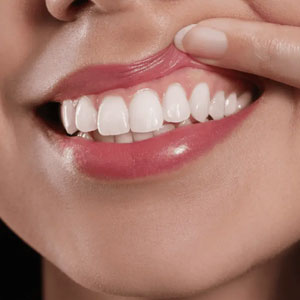
Surgical Treatments
For advanced cases: flap surgery, bone grafting, or tissue regeneration may be done to restore support around teeth.

Gum Treatment
Benefits Of Gum Treatment
- Prevents Tooth Loss – Treating gum disease early helps protect the bone and tissues that support your teeth.
- Reduces Gum Inflammation and Bleeding – Treatment reduces swelling, bleeding, and tenderness in the gums.
- Improves Bad Breath – Cleaning out bacteria and plaque helps eliminate persistent bad breath.
- Enhances Overall Oral Health – Healthy gums contribute to stronger teeth and better oral hygiene.
- Boosts General Health – Gum treatment lowers the risk of systemic diseases linked to gum disease, such as heart disease,
- Improves Smile and Confidence – Healthier gums can lead to a more attractive smile and better self-esteem.
Who Is Suitable For The Treatment Of Periodontitis?
If you are experiencing pain or discomfort regularly from swollen or bleeding gums while you floss or brush your teeth, then please contact us to book an appointment with your dentist or dental hygienist for periodontal treatment. We can diagnose if you have periodontitis gum disease and create your care plan.
Periodontitis is treatable, so give yourself and your dentist the best chance of success by booking an appointment as soon as you experience such symptoms regularly, especially in the early stages of the condition.
Be aware that if you are a smoker, symptoms that would expose a gum disease (e.g. gum problems, bad breath) could be masked. As smokers have a higher risk of developing gum disease, please visit your dentist and hygienist regularly.
Which Symptoms To Look Out For
The chances are that at some point in your adult life, you’ve noticed one or more of these symptoms while you brush your teeth or eat something very hot or cold. They’re incredibly common symptoms and because they’re common, they’re often overlooked or not taken seriously. If you experience any of the following:
- Sensitive gums when brushing, drinking, or eating
- Inflamed, swollen, red, or puffy gums
- Gums that are receding from the bottom of your teeth
- Loose teeth because of these receding gums
- Bleeding when brushing or eating something coarse
If you find yourself experiencing any of the above symptoms, please book to see one of our dental hygienists:
Frequently Asked Questions
Have questions about your dental care? You’re not alone! Our FAQ section provides clear answers to the most common questions we receive from patients. Whether you’re wondering about appointment procedures, treatments, insurance coverage, or how to care for your smile at home, we’ve got you covered.
We’re here to help you feel informed, confident, and comfortable every step of the way.
Gum disease is primarily caused by the accumulation of plaque—a sticky film of bacteria—on the teeth. Poor oral hygiene, smoking, genetics, and certain medical conditions can increase the risk.
Common signs include bleeding gums, redness and swelling, persistent bad breath, receding gums, and loose teeth.
Local anaesthesia is often used to ensure patient comfort during these procedures. Some discomfort and sensitivity may be experienced afterward but can be managed with over-the-counter pain relievers.
Yes, timely and appropriate gum disease treatments can help save teeth affected by gum disease.
Recovery times vary depending on the type of surgery. It may take a few days to a few weeks to fully recover.