

Emergency Dentist

Book Your Same Day Appointment Today!​

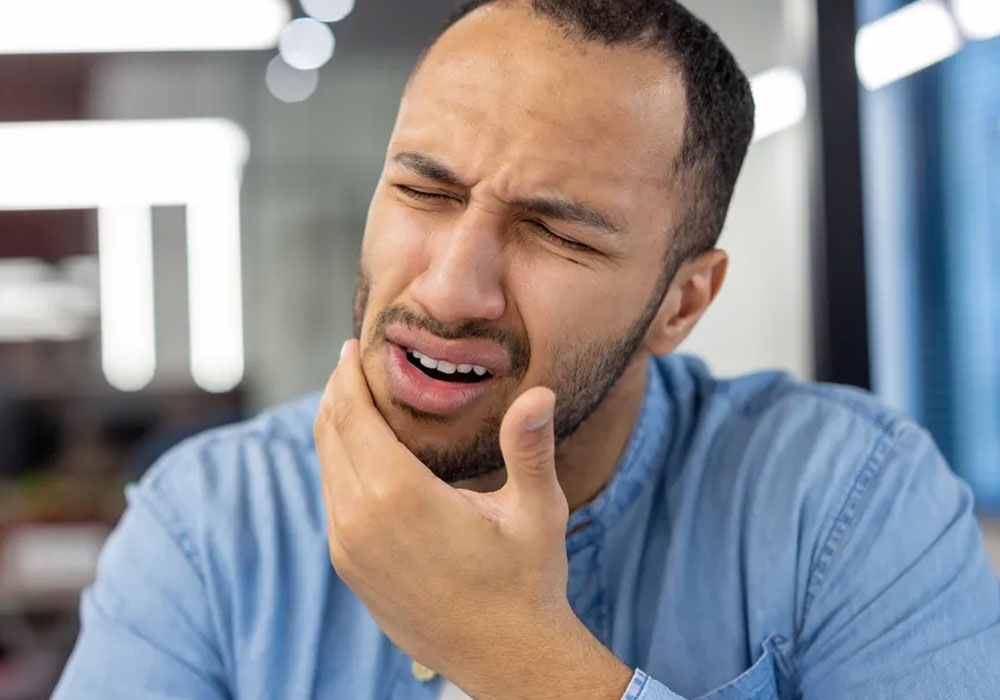
A dental emergency requires immediate attention in most instances. Certain injuries to your teeth or gums can become serious, leading to further damage. It’s important to contact us immediately if you are suffering from dental trauma or pain.

We treat:

An award-winning team of professionals and specialists

Carefully-curated treatment based on your individual needs

Flexible payments and dental membership plans

Trained to ease your dental anxieties, ensuring a stress-free visit

Emergency Dentist Near Me

What Is A Dental Emergency?

Dental emergencies can happen, even with the best care. As a private dental practice serving Biggleswade, Bedfordshire, and the surrounding areas, we reserve dedicated appointment slots for urgent cases such as:

  • Broken teeth
  • Pain
  • Lost teeth
  • Lost fillings
  • Tooth and gum infections
  • Implant problems
  • Sensitivity
  • Chipped or broken crowns/bridges
  • Chipped teeth
  • Broken dentures
  • Unusual lumps or lesions
  • Sports Injuries

What to Do in a Dental Emergency

In a dental emergency, acting quickly can make a big difference. Here are some steps to follow before you arrive at Biggleswade Dental.

We pride ourselves on offering patients private emergency appointments as soon as possible, often on the same day. Our aim is to alleviate your pain and discomfort as quickly as we can.

Why Choose Our Private Emergency Dentist?

A dental emergency can turn your day upside down. Whether you’ve knocked out a tooth in an accident, are suffering from a painful toothache, or have experienced a chipped tooth, these situations can be painful and distressing, making it hard to focus on anything else. At Biggleswade Dental Centre, we understand how stressful these moments are, which is why we offer emergency dental appointments to get you back on track as soon as possible.

Need Urgent Help?

If you’re not sure whether you need emergency dental care, call our office to be on the safe side; we can give you a recommendation on what to do next based on what symptoms you’re experiencing and how urgent they seem to be. In the meantime, here are some examples of common dental emergencies that you might face and should be prepared for.

Toothache

Sensitivity
Broken Filling/Tooth
Swelling/ Abscess
Denture Adjustments

Re-cement & Crowns & Bridges

Dental Trauma

Painful Gums
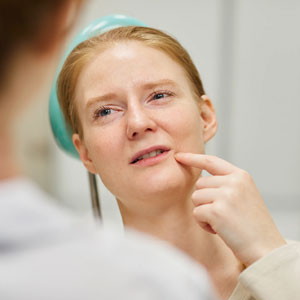
What You Can Expect

Your emergency is our priority. Call us anytime for immediate, professional care.

1

Assessment

We will first assess the dental emergency to determine the cause of your pain or discomfort. This might involve an x-ray or visual examination to identify any underlying issues.
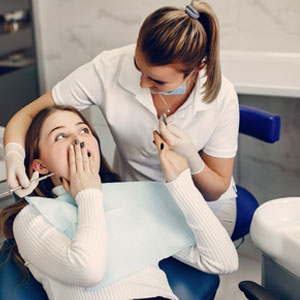
2

Pain Relief

Our immediate goal is to alleviate your pain and stabilise the situation. Whether it's a prescription, cleaning an infected area, or offering temporary relief, we aim to make you feel comfortable quickly.
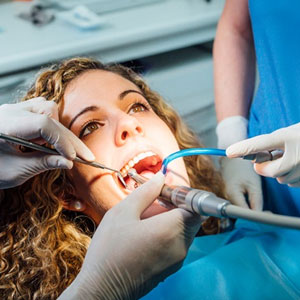
3

Treatment Plan

Depending on the severity of the emergency, we may complete the necessary treatment immediately or schedule a follow-up appointment if more extensive care is needed.
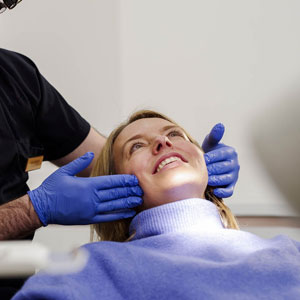
4

Aftercare Guidance

We’ll provide advice and aftercare instructions to help you manage any discomfort and take care of your oral health until your next appointment, if necessary.
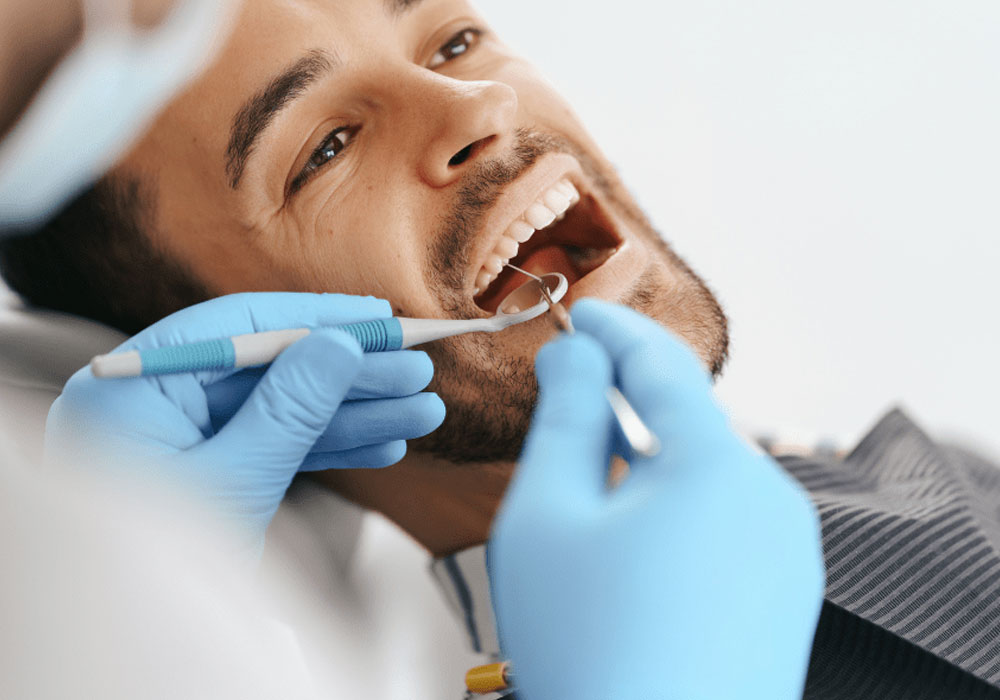

Local Emergency Dentist

Local Emergency Dentist Near You – Fast Relief When You Need It Most!

Care For Nervous Patients

Dental anxiety is incredibly common. Many people experience fear and apprehension when faced with dental procedures. Our clinics are dedicated to creating a friendly environment with open communication and various pain management options, including sedation when appropriate. It is important not to let fear delay necessary care – contact us for prompt and understanding support for emergencies like severe toothaches, broken teeth, or infections, ensuring your comfort and well-being every step of the way.

Caring For Your Dental Emergency While You Wait

With same-day and out-of-hours appointments available with our team of local dentists, you shouldn’t have to wait too long to get help with your dental emergency.

In the meantime, you can try relieving any discomfort or swelling by taking an anti-inflammatory medication like Ibuprofen, following the recommended dosage guidelines. Steer clear of aspirin, as it contains blood-thinning properties that can worsen the situation.

If you’ve experienced a cracked or broken tooth, gather all the pieces and carefully wrap them in a clean, damp cloth. If a tooth has fallen out, carefully rinse it in lukewarm, salt water, ensuring not to handle it by the root.

Frequently Asked Questions

Have questions about your dental care? You’re not alone! Our FAQ section provides clear answers to the most common questions we receive from patients. Whether you’re wondering about appointment procedures, treatments, insurance coverage, or how to care for your smile at home, we’ve got you covered.

We’re here to help you feel informed, confident, and comfortable every step of the way.

A dental emergency is any situation that causes you severe pain, significant swelling, or damage to your teeth, gums, or jaw that requires immediate attention. This includes knocked-out teeth, severe infections, and uncontrollable bleeding.

For the best chance of saving a knocked-out or damaged tooth, it’s important to see a dentist within an hour. The sooner you get care, the better the outcome.

We handle a variety of emergencies, including knocked-out teeth, severe toothaches, chipped or broken teeth, and injuries to the gums or jaw.

While we can assess and treat most dental emergencies, there are situations where it may be best to seek immediate care at A&E—especially for more serious injuries involving severe trauma or uncontrollable bleeding.

Your safety is our top priority, and we’re here to guide you to the right care as quickly as possible.

We prioritise emergency cases and will do our best to see you as soon as possible, often on the same day.

Over-the-counter pain relief can help manage discomfort temporarily, but avoid using any painkillers directly on your gums or teeth. Cold compresses can also help reduce swelling until you can see a dentist.

Scroll to Top