WISDOM TOOTH EXTRACTION BEDFORDSHIRE

Wisdom tooth extraction is a common dental procedure performed to remove one or more third molars often called wisdom teeth.  While some wisdom teeth grow in without issue, many do not have enough space to erupt properly and can lead to pain, infection, and other oral health problems.

Wisdom teeth usually emerge between the ages of 17 – 25, and they can cause the following oral health problems:

An award-winning team of professionals and specialists

Carefully-curated treatment based on your individual needs

Flexible payments and dental membership plans

Trained to ease your dental anxieties, ensuring a stress-free visit

Tooth Extraction Near Me

Why Do I Need A Tooth Extraction?

You may need a tooth extraction if a tooth is severely damaged, decayed, infected, or causing crowding. In some cases, extractions are also needed to prepare for braces, dentures, or implants. Removing the tooth helps protect your overall oral health and prevent further complications.

Tooth extraction involves the removal of a tooth from its socket in the bone and may be necessary for several reasons, including:

  • Severe Tooth Decay: When a tooth is too decayed to save with a filling or crown.
  • Advanced Periodontal Disease: Leading to the loosening of a tooth.
  • Tooth Damage or Breakage: When a tooth is too damaged to be repaired.
  • Overcrowding: To prepare for orthodontic treatment or relieve overcrowding.
  • Impacted Teeth: Such as wisdom teeth that may cause pain or dental complications.

Impacted Wisdom Teeth

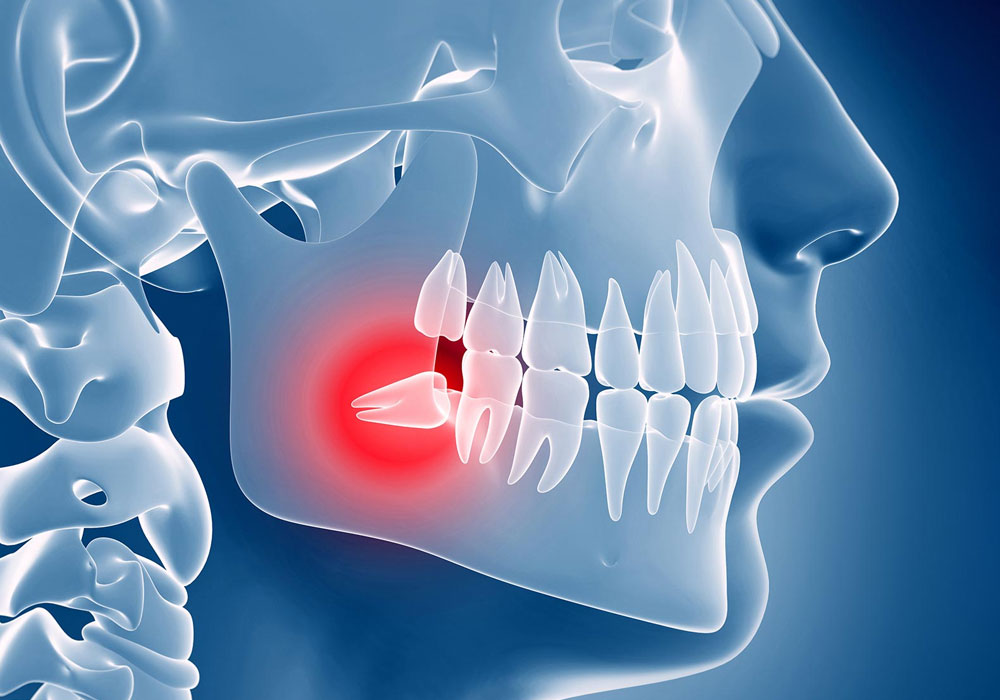
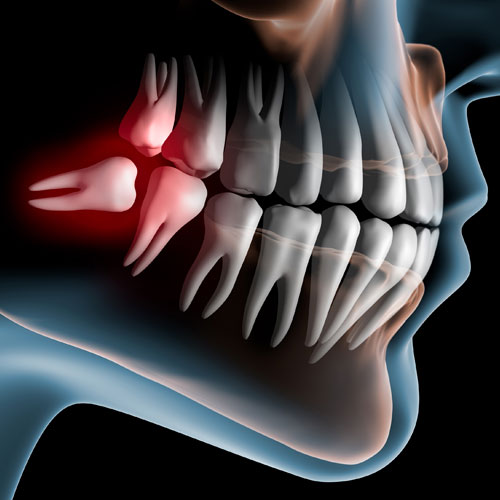
Wisdom teeth are the last set of molars located at the back of the mouth. Because they erupt later than other teeth, there is often insufficient room in the jaw to accommodate them. As a result, wisdom teeth may become impacted (trapped under the gum or bone), erupt at an angle, or only partially emerge.

The severity of the angle can vary with some angling more towards the right, some towards the left, and others can appear to angle horizontally along the jawbone.

Symptoms can include:

  • Swollen, irritated, or bleeding gums
  • Jaw pain or stiffness
  • Bad breath (halitosis)
  • Unpleasant taste in your mouth

At Biggleswade Dental Centre our specialist oral surgeon Dr Patricia can perform all wisdom tooth extractions at our dental practice Biggleswade Dental Centre based in Biggleswade, Bedfordshire.

Benefits of Tooth Removal

Say Goodbye to Tooth Pain — We’re Here to Help!

Types Of Tooth Extraction

We offer both simple and surgical tooth extractions to address a range of dental concerns. Whether it’s a routine removal of a loose or damaged tooth, or a more complex extraction of impacted wisdom teeth, our experienced team ensures a safe, comfortable, and stress-free experience using advanced techniques and personalized care.

1

Tooth Extraction

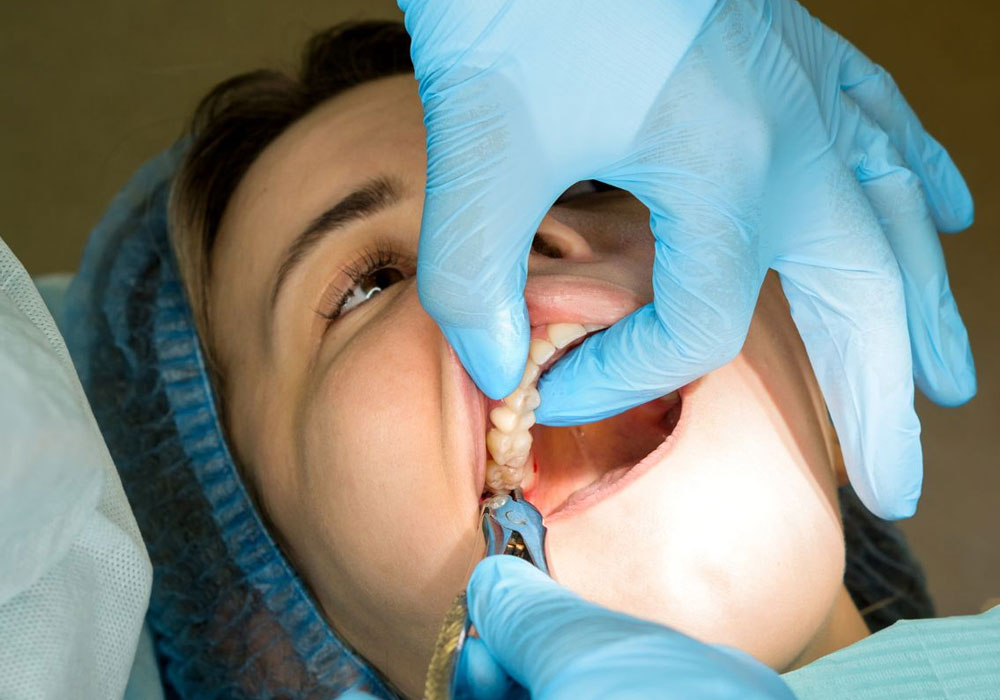
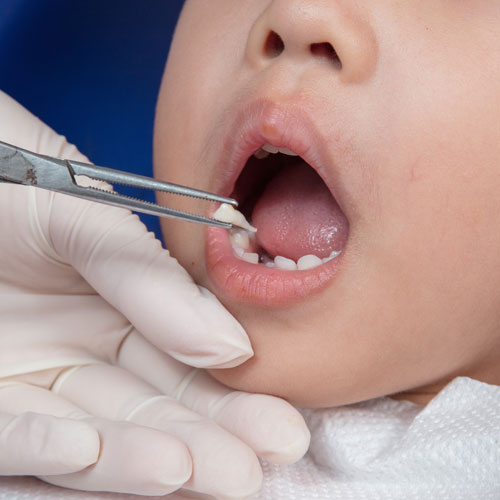
Most of our dentists at Biggleswade Dental Centre can carry out straightforward tooth removals. During this treatment, the tooth is visible in the mouth and easily accessible. Your tooth is first numbed with a local anaesthetic, then your dentist uses tools to hold the crown of the tooth, gently wiggling it from side to side until it breaks free from the surrounding bone.

2

Atraumatic Extractions

Atraumatic extractions are a gentle, minimally invasive method of removing teeth with as little damage as possible to the surrounding bone and tissues. This technique helps preserve the jawbone, reduces pain and swelling, and supports faster healing, making it ideal for patients considering dental implants or with dental anxiety.
3

Surgical Extractions

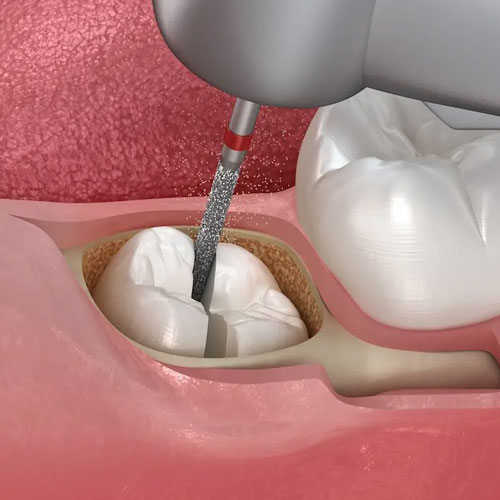
Surgical extractions are usually required if your teeth are badly broken, severely impacted or inaccessible. We have all the equipment and materials to perform surgical extractions at Biggleswade Dental Centre. It involves making an incision in the gum to successfully remove the tooth.
4

Wisdom Tooth Extractions

A wisdom tooth extraction is often required when the tooth has grown at an angle as a result of lack of room in the back of your mouth. Not all wisdom teeth need to be removed, and you will be advised on the best course of action for your individual case by Dr Patricia. If your wisdom tooth has not fully emerged but needs to be removed due to recurrent infection, we carry out a minor surgical procedure using local anaesthetic.

Meet The Dentist

Dr Patricia Chavesta Rivadeneyra

Registered Specialist Oral Surgeon

Patricia, originally from Spain, is a Specialist Oral Surgeon with advanced qualifications including a BDS, MClinDent in Oral Surgery & Implantology, and an MSc in Prosthodontics. She is dedicated to providing high-quality, patient-focused care. Outside of work, Patricia enjoys exploring new places with her family, who are her greatest priority.

Wisdom Tooth Removal Near Me

The Tooth Extraction Procedure

Dr Patricia has performed numerous wisdom tooth extractions. The procedure at Biggleswade Dental Centre is designed to be as comfortable and effective as possible. Here’s what to expect:

  • Initial Consultation and X-Ray: Our process begins with a comprehensive assessment of your oral health and an X-ray to assess the tooth and plan the safest extraction approach.
  • Numbing & Sedation: If extraction is deemed necessary, we ensure you are fully informed about the process. Local anaesthesia is administered to numb the area and minimise discomfort.
  • Tooth Extraction: Once you’re numb, the tooth is gently loosened and removed using precise techniques to minimise discomfort.
  • Aftercare & Recovery Advice: After your extraction, Dr Patricia will give you some tailored tips and advice for your aftercare and recovery. This usually includes a period of rest at home and how to keep the extraction site clean.

What Is Dry Socket?

A blood clot soon forms after a tooth is extracted, protecting it and allowing healing to occur uneventfully. Problems can arise if the blood clot is dislodged, exposing the empty socket underneath so infection can set in.

Signs Of Dry Socket?

  • Increasing pain a few days after your tooth extraction procedure. 
  • Bad breath.
  • An unpleasant taste.

Treating Dry Socket

Dry socket treatment can include:

  • Antibiotics. If Dr Patricia thinks you might have an infection, she will prescribe antibiotics.
  • Irrigation. Dr Patricia may gently flush out the socket with water or antibacterial mouthwash.
  • Medicated dressings. Dr Patricia might place numbing medications in the empty socket.
  • Pain medicine. Over-the-counter pain medication can help reduce discomfort.

Tooth Extraction Aftercare

To stop the bleeding, your dentist will have you bite on a piece of gauze which you should keep in place on your way home to help the blood clot.

Stitches are used to seal your gum after the tooth is removed. These are usually dissolvable and should disappear within 2 weeks. 

You may be prescribed antibiotics if you have an infection during your wisdom tooth extraction. For the next 24 hours after the procedure, you should avoid:

  • Smoking or drinking alcohol
  • Drinking hot liquids
  • Any strenuous activity

Frequently Asked Questions

Have questions about your dental care? You’re not alone! Our FAQ section provides clear answers to the most common questions we receive from patients. Whether you’re wondering about appointment procedures, treatments, insurance coverage, or how to care for your smile at home, we’ve got you covered.

We’re here to help you feel informed, confident, and comfortable every step of the way.

  • Irritated or bleeding gums near the wisdom tooth
  • Jaw pain
  • Swollen gums
  • Unpleasant taste in your mouth
  • Lymph glands under the jaw become swollen and sore

The procedure is typically not painful due to local anaesthesia, sedation, or general anaesthesia. You may experience some discomfort and swelling afterwards, but this can usually be managed with pain relief and proper aftercare.

Most patients recover within 3 to 7 days, though some swelling or discomfort may last a bit longer. Following Dr Patricia’s aftercare instructions can help speed up recovery.

After the procedure, it’s best to stick to soft foods like yoghurt, mashed potatoes, and smoothies. Avoid hard, crunchy, or spicy foods that could irritate the extraction site.

Scroll to Top