
ROOT CANAL TREATMENT BEDFORDSHIRE

Root canal treatment is needed when the pulp inside your tooth becomes infected through tooth decay or damaged by an injury to your mouth. This infection may spread through the root canal system that is a network of hollow channels within the tooth extending from the crown down to the root tips and could eventually lead to an abscess, causing a great deal of discomfort. Key reasons for the importance of a root canal include:

An award-winning team of professionals and specialists

Carefully-curated treatment based on your individual needs

Flexible payments and dental membership plans

Trained to ease your dental anxieties, ensuring a stress-free visit

Root Canal Treatment Near Me

What Is Root Canal Treatment?

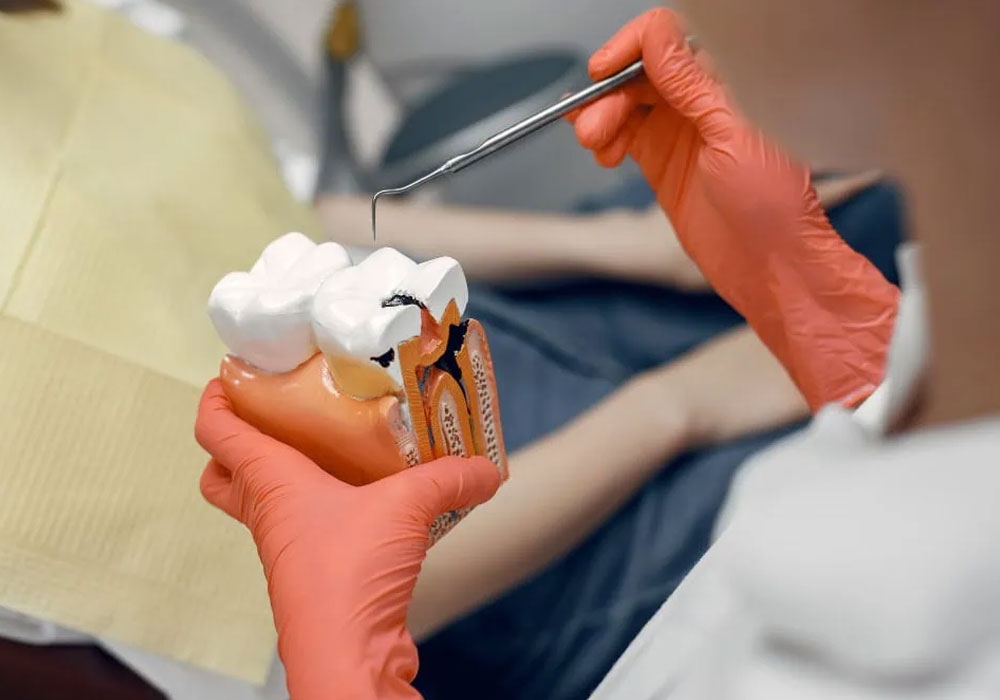
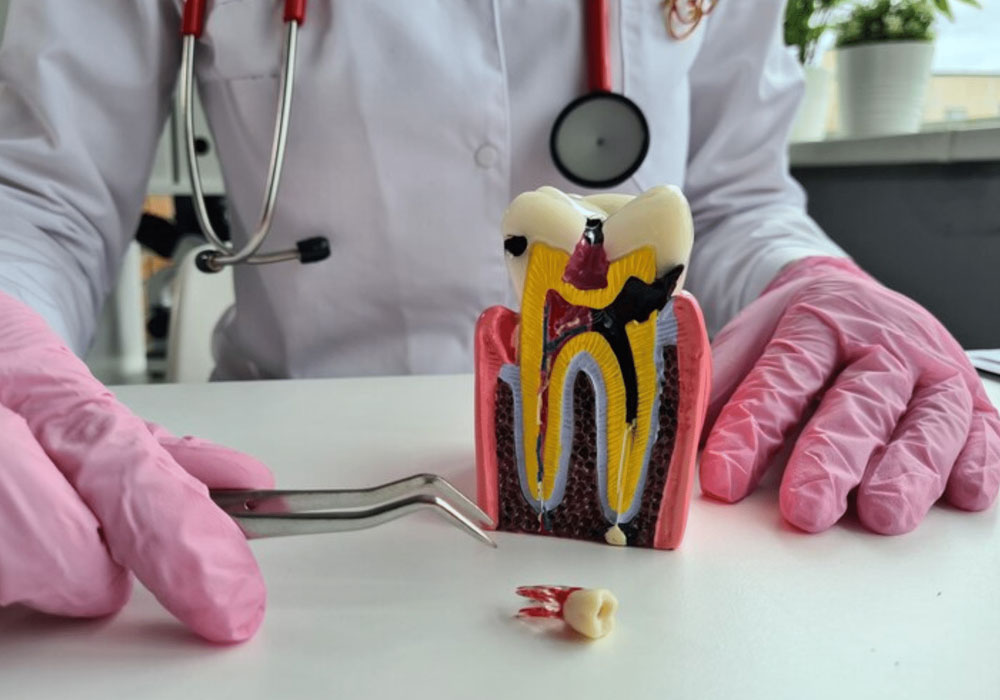
Root canal treatment, or endodontic therapy, is a dental procedure aimed at saving a severely damaged or infected tooth. It involves removing the infected or inflamed pulp tissue from the tooth’s interior, known as the root canal system, and thoroughly cleaning and disinfecting it. Afterwards, the canal is filled and sealed with a biocompatible material to prevent further infection.

Root canal treatment alleviates pain, preserves the tooth’s structure, and prevents the spread of infection to surrounding tissues. Following the procedure, a crown or filling is typically placed to restore the tooth’s function and appearance, allowing it to function normally for years to come.

When Is Root Canal Treatment Necessary?

You may require root canal therapy if you have a deep, untreated cavity in a tooth. An untreated cavity or a failing filling allows harmful bacteria found in plaque to enter the tooth and infect the dental pulp.

We may also recommend root canal treatment if you have a tooth that is damaged or cracked. Any form of damage to tooth enamel will allow infection causing bacteria to enter your tooth.

If your tooth has suffered trauma like a hard knock or blow, this can be enough to inflame the dental pulp. The inflammation causes the pulp to swell; consequently, your tooth may feel extremely painful.

Root canal therapy is designed to remove infected and inflamed pulp tissue, relieve painful toothache, and enable us to restore your tooth afterward. It is a great treatment for protecting and preserving infected teeth. The alternative would be tooth extraction, which we always strive to avoid.

Symptoms Of A Root Canal Infection

Our aim is always about saving teeth. While there are good tooth replacements, nothing will feel, look or functions better than your own natural tooth.

Relieve pain and protect your smile with a root canal treatment.

Save Your Smile With Gentle Root Canal Treatment

Endodontics or ‘Endo’ is often referred to as root canal treatment (RCT). It is dental treatment carried out when the nerve inside the tooth becomes inflamed, infected or if the nerve has been damaged.

Meet The Dentist

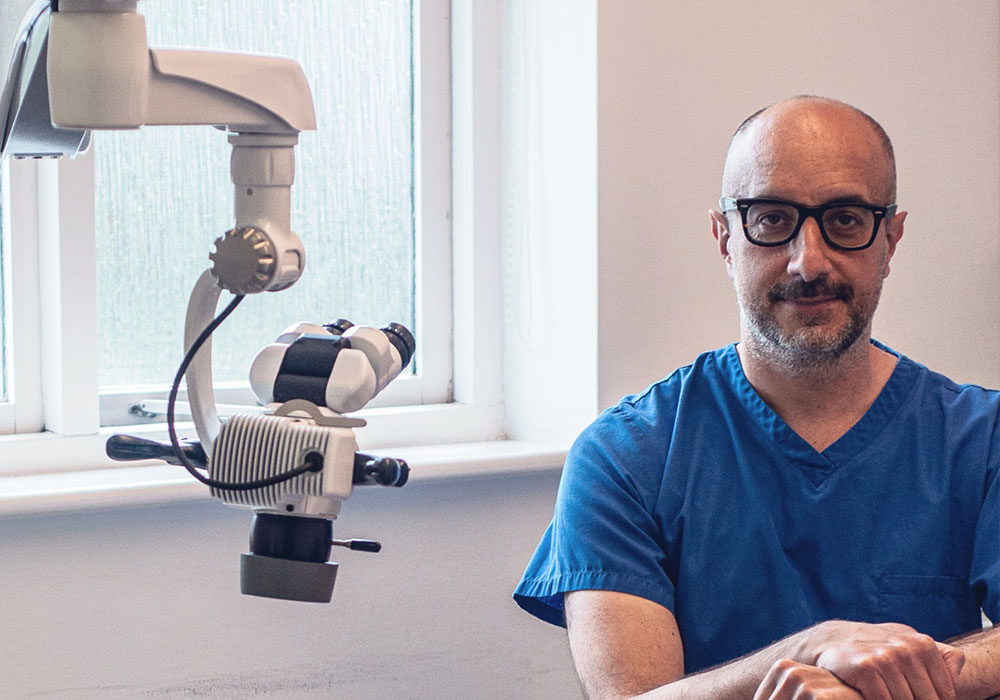
Dr Pierluca Campana

Registered Specialist In Endodontics

Dr Pierluca is on the GDC specialists list for Endodontics, has a Masters degree in Endodontics, is a Specialist Member of the European Society of Endodontics and is also a member of the Faculty of Dental Surgery (MFDS RCS London). He is committed to providing excellent care for his patients, ensuring all clinical options are explained in order to achieve clinical excellence every time. Biggleswade Dental Centre is the only practice in the Biggleswade area that has our very own Global Surgical microscope. This tool enables treatment to be more exact, precise, and, in turn, reduce ongoing issues that may result from having root canal treatment

Root Canal Treatment: The Process

Root canal treatment with Dr Pierluca Campana at Biggleswade Dental Centre involves the following:

1

Consultation

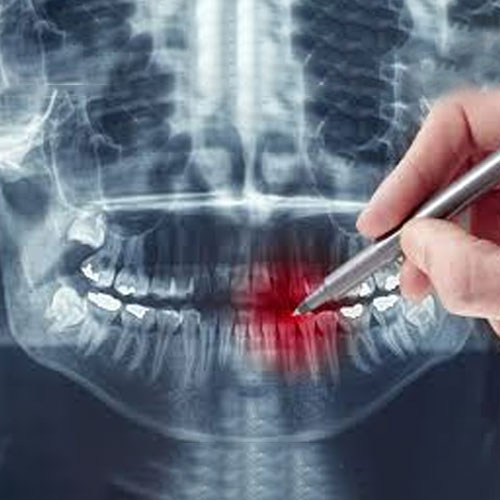
The first step involves Dr Pierluca thoroughly examining the affected tooth, including X-rays, to determine the extent of the damage or infection. This helps him plan the best approach for your root canal treatment.
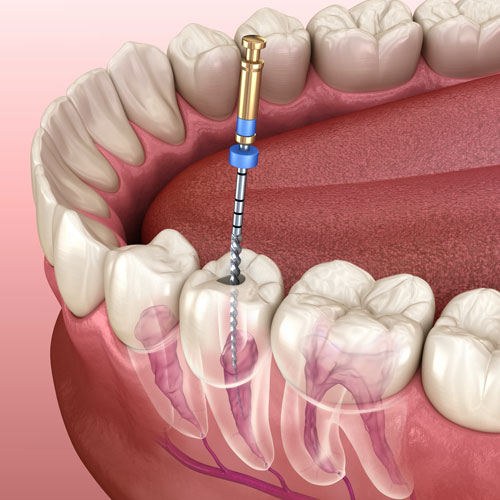
2

Cleaning & Disinfection

The infected or damaged pulp is carefully removed. The root canals are then cleaned, shaped, and disinfected to eliminate bacteria and prevent further infection.
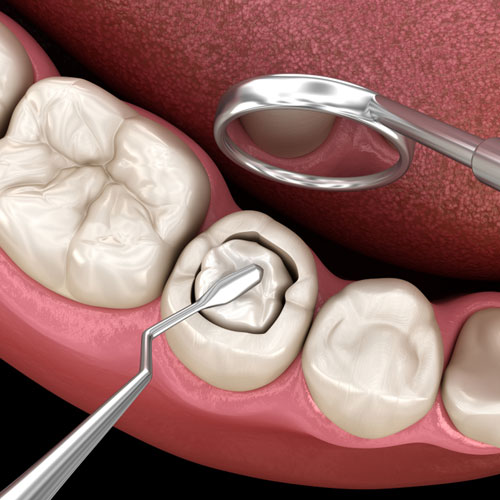
3

Filling & Sealing

Once the canals are thoroughly cleaned, they are filled with a biocompatible material to seal them and maintain the tooth’s internal structure.
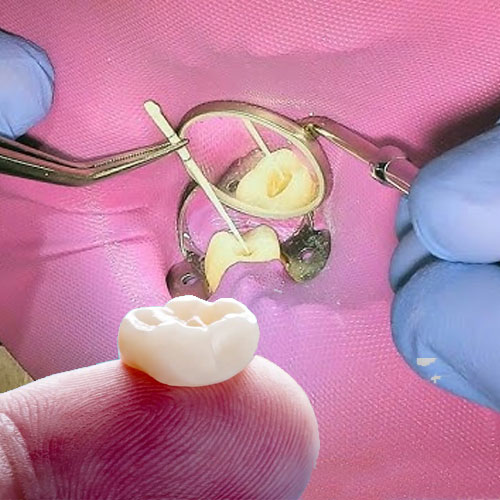
4

Restoration Of The Tooth

The tooth is sealed with a temporary or permanent filling. In many cases, a crown is recommended to restore strength, function, and appearance, protecting the tooth from future damage.

5

Follow-Up Care

The tooth is checked at your next appointment with Dr Pierluca and when all the infection has cleared, the tooth is permanently filled. This visit allows Dr Pierluca to address any concerns or adjustments that may be needed.


Healing and Recovery After Root Canal Treatment

After your root canal treatment, it is normal for the tooth and surrounding area to feel slightly tender for a few days. This is part of the natural healing process as the tissues around the tooth recover.

Below is an overview of the healing timeline following your root canal treatment:

  • Initial Recovery (1-2 days): Mild discomfort or sensitivity may be experienced immediately after the procedure.
  • Tissue Healing (1 week): The surrounding tissues heal, reducing inflammation.
  • Complete Healing (several weeks): The tooth and surrounding area continue to recover, with any lingering discomfort gradually dissipating.
  • Follow-up Appointment (2-4 weeks): Dr Pierluca will schedule a follow-up visit to check the treatment area and the tooth.

Frequently Asked Questions

Have questions about your dental care? You’re not alone! Our FAQ section provides clear answers to the most common questions we receive from patients. Whether you’re wondering about appointment procedures, treatments, insurance coverage, or how to care for your smile at home, we’ve got you covered.

We’re here to help you feel informed, confident, and comfortable every step of the way.

A root canal is a dental procedure aimed at saving a tooth that is infected or severely decayed by removing the infected pulp from within the tooth, cleaning the root canals, and sealing them to prevent further infection.

Modern techniques and local anaesthesia ensure that root canal treatment is typically no more uncomfortable than getting a standard dental filling. Most patients report minimal discomfort during the procedure.

The duration of a root canal procedure depends on factors such as the complexity of the case and the number of root canals involved.

Not all root canal treatments will need a crown. It will depend on how the remaining tooth structure prevails. If the majority of the tooth has to be removed, you will need a crown to support the tooth after your root canal treatment.

  • Foods that are very hot/cold (avoid ice cream and hot soup)
  • Foods that need a lot of chewing (thick steak, crispy bread)
  • Foods that are sticky (no gum, caramels)
  • Foods that are crunchy (potato chips, crackers and raw carrots)
Scroll to Top